


 العربية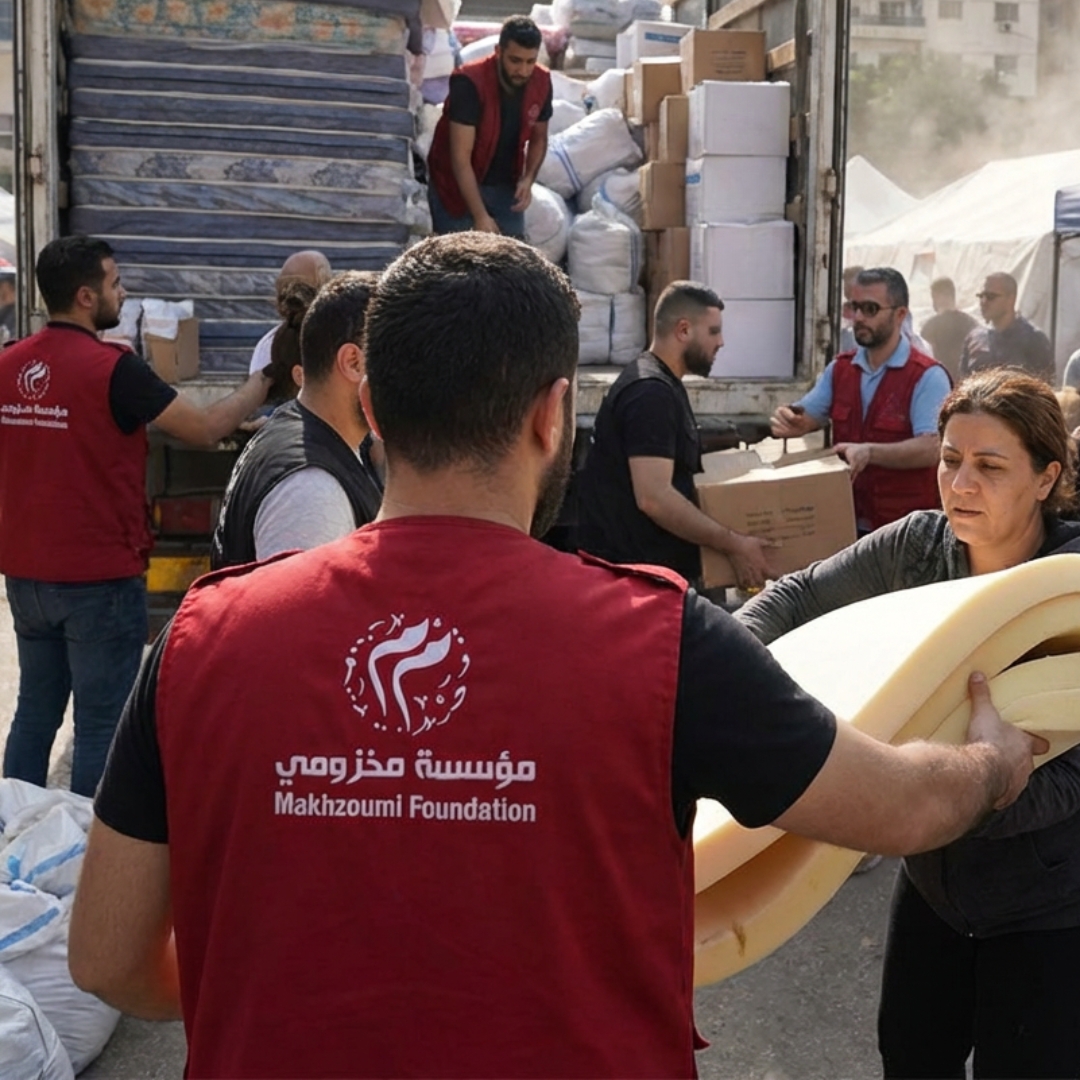
- Over 1,000 people have been killed and 2,584 injured.
- The escalation has led to severe humanitarian deterioration across Lebanon since March 2, 2026.
- More than 1.2 million people have been displaced, including over 134,000 in 636 collective shelters.
- Schools and public buildings have been converted into shelters, limiting access to education for thousands.
- Healthcare systems are under extreme pressure, with 5 hospitals and 49 PHCCs out of service.
- At least 31 healthcare workers have been killed, with repeated attacks on medical facilities and personnel.
- Critical infrastructure has been heavily damaged, including roads, bridges, water networks, and fuel stations.
- Overcrowded shelters face limited electricity, poor sanitation, lack of privacy, and increased protection risks, especially for women and vulnerable groups.
0
+
Displaced persons (mosa)
0
+
Displaced in shelters (DRM)
0
+
Open Shelters
0
+
Martyrs
0
+
Injured
OUR RESPONSE ON THE GROUND
→ Rapid Mobilization
Makhzoumi Foundation quickly mobilized its teams to provide emergency assistance across shelters and displacement centers in Beirut and surrounding areas.
→ Essential Relief
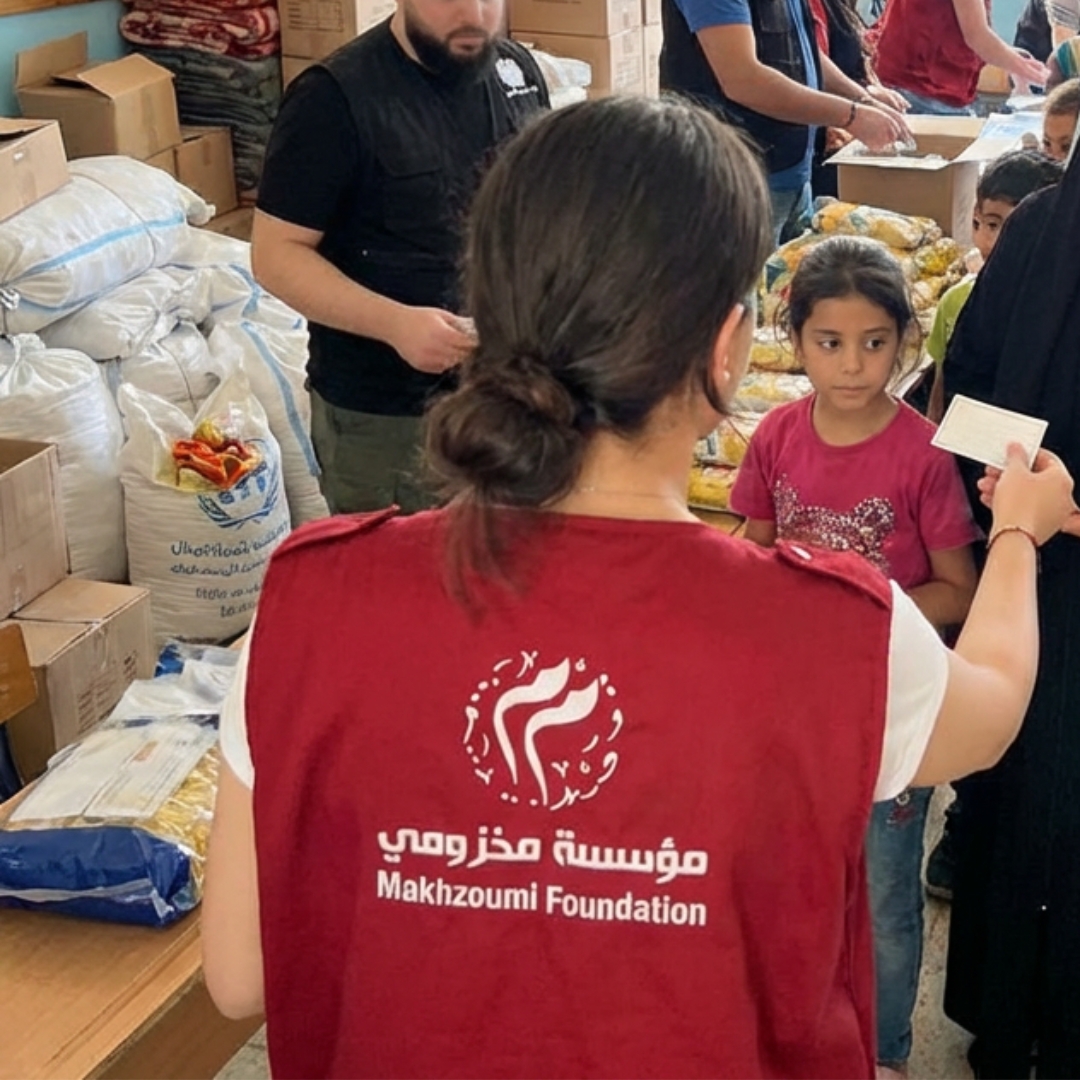
Displaced families received vital supplies, including mattresses, blankets, sleeping mats, and other basic items, to improve living conditions in shelters.
→ Basic Needs Support
Assistance also included water containers, solar lamps, and food support to help families meet their daily needs during displacement.
→ Healthcare Services
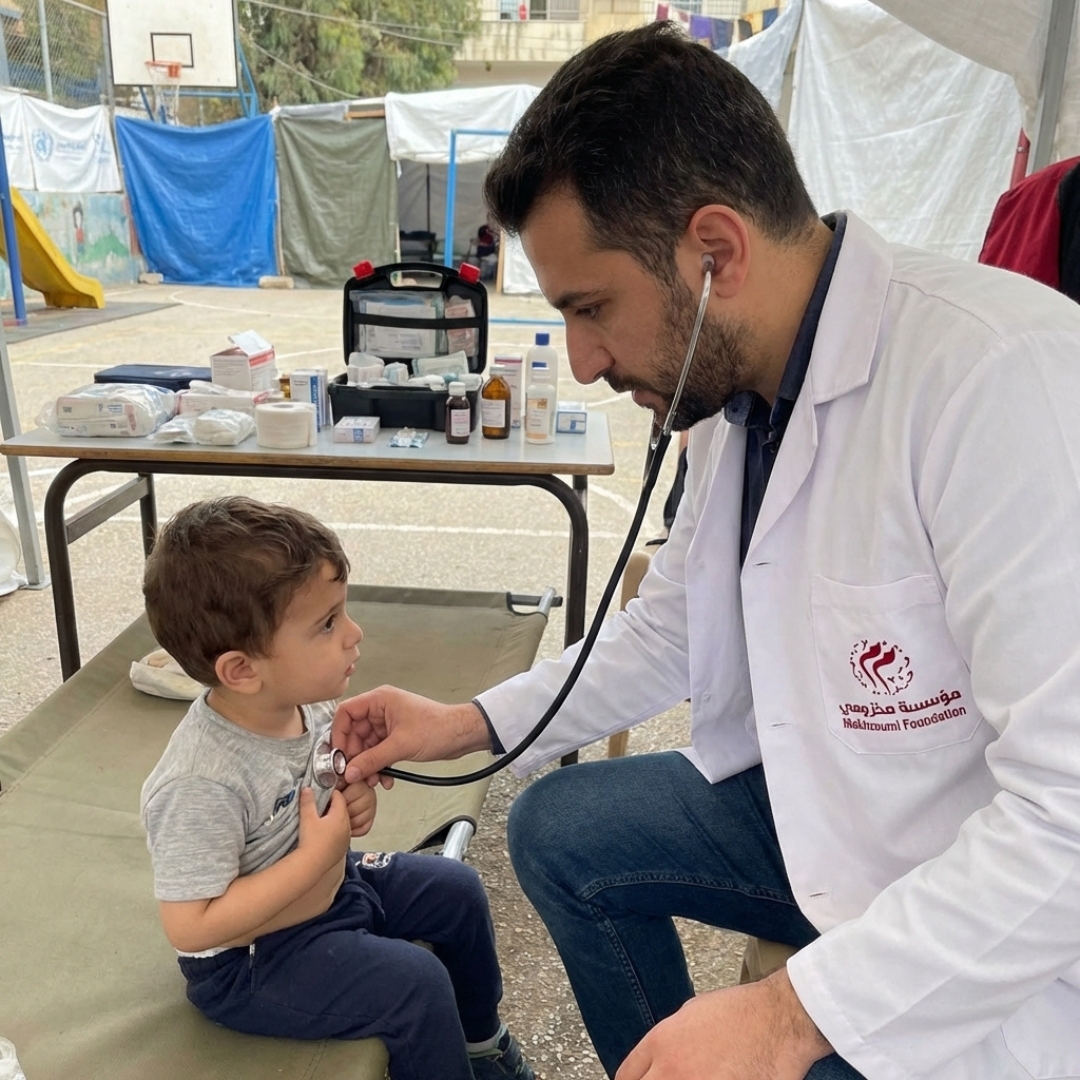
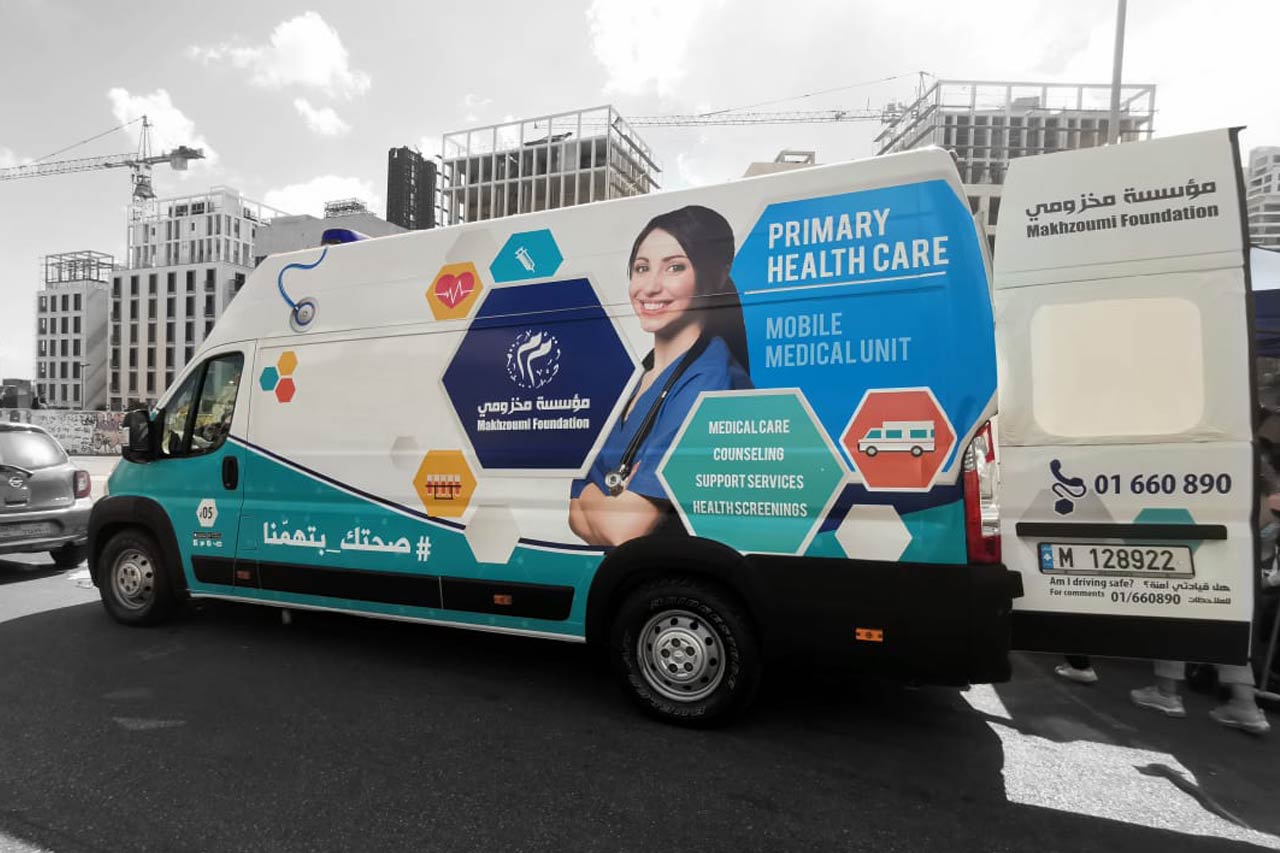
Through its Primary Healthcare center in Beirut and the Satellite Units (PSUs), Makhzoumi Foundation continues to provide accessible medical consultations, basic treatments, and health screenings, ensuring that vulnerable communities and displaced families receive essential healthcare support.
→ Coordinated Humanitarian Action
Through the efforts of dedicated volunteers and field teams, and in coordination with shelters, local authorities, and partners, Makhzoumi Foundation continues to deliver timely support to communities affected by the crisis.
0
+
Shelters
0
+
Mattresses
0
+
Blankets
0
+
Mats
0
+
Water
0
+
Solar Lamps
0
+
Food Items
0
+
PSS Sessions
0
+
Dignity Kits
0
+
Health Services
0
+
Services
0
+
Hot Meals
0
+
Mobile Visits
0
+
Families
0
+
Kitchen Items
In times of crisis, solidarity saves lives.
Support Makhzoumi Foundation in delivering urgent aid, healthcare, and safe spaces for displaced families.
Your donation makes the difference.
ACT NOW FOR LEBANON
Through our Emergency Response Appeal 2026, we are mobilizing critical resources to expand our lifesaving programs and ensure that families affected by crisis receive the urgent support they need. Your contribution will help us provide:
» Essential medical care and mobile health services
» Food assistance and relief supplies for displaced families
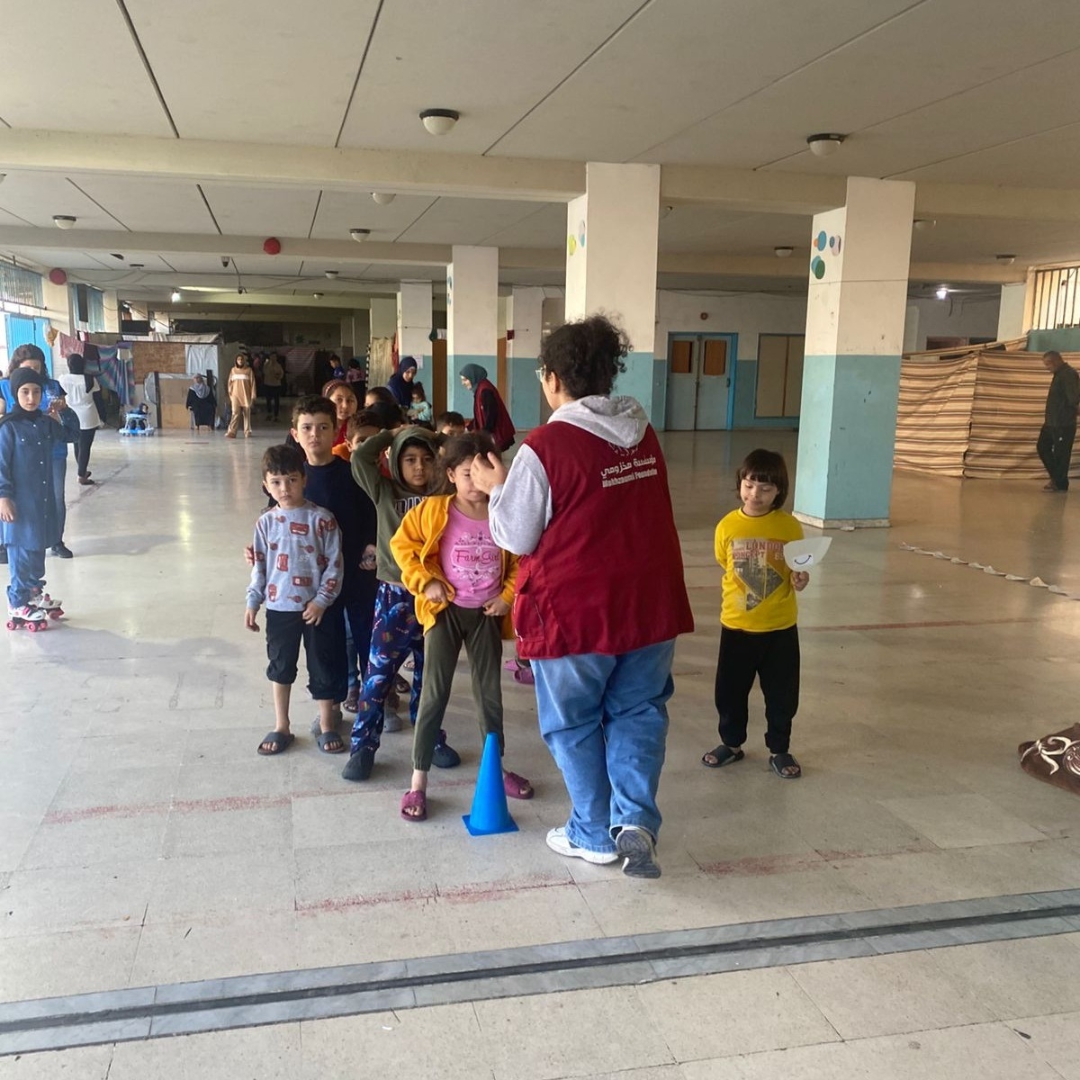
» Safe child support activities in shelters
» Protection and psychosocial support for vulnerable individuals
» Community-based humanitarian assistance across affected areas
Every donation helps restore dignity, stability, and hope for families navigating uncertainty.
Together, we can ensure that no one is left behind.
For nearly three decades, Makhzoumi Foundation has stood beside Lebanon’s communities in every crisis delivering relief, dignity, and hope since 1997.
Stand with Lebanon. Stand with humanity. Donate today.
OUR EMERGENCY REPSONSE IN ACTION
EMERGENCY RELIEF & NON-FOOD ITEMS
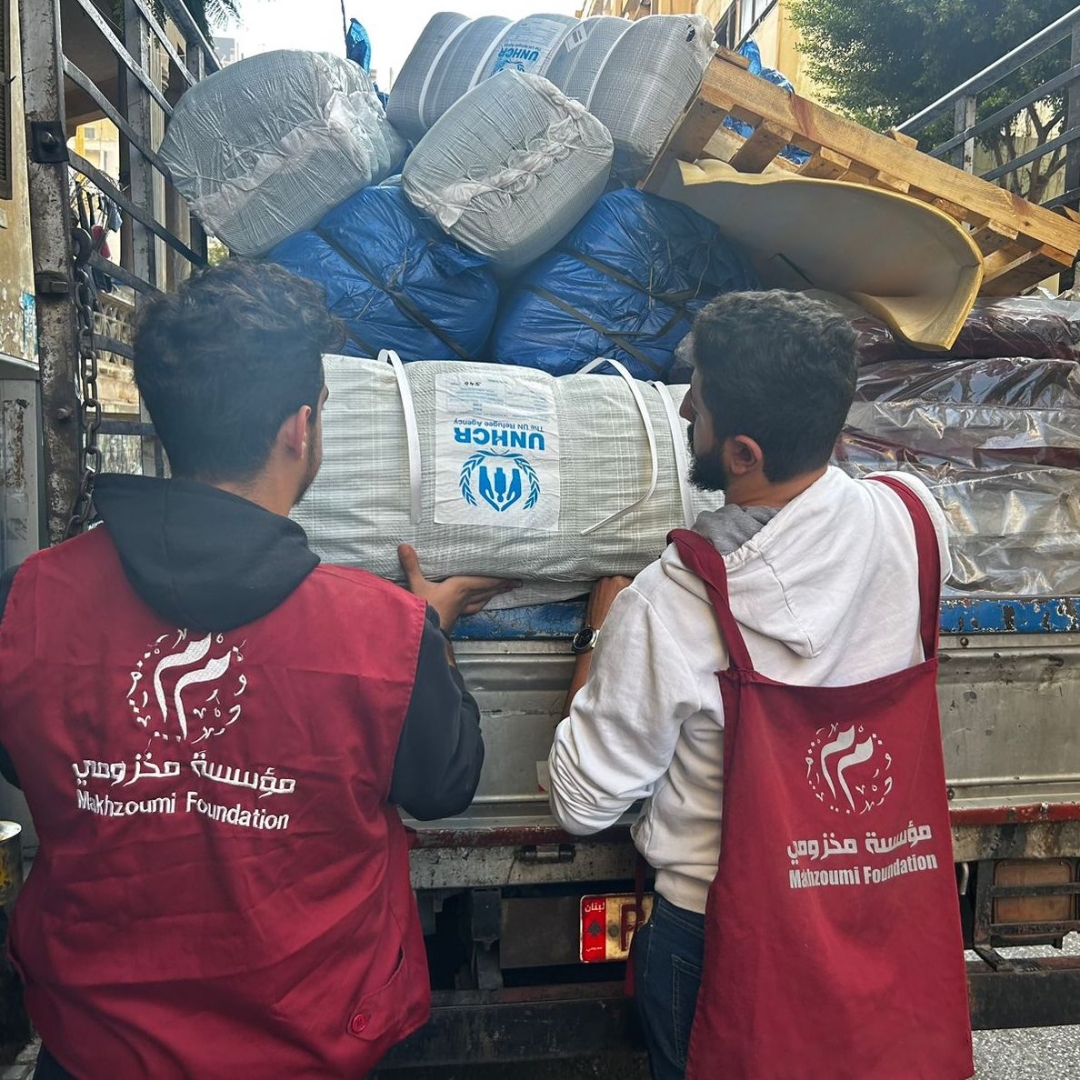
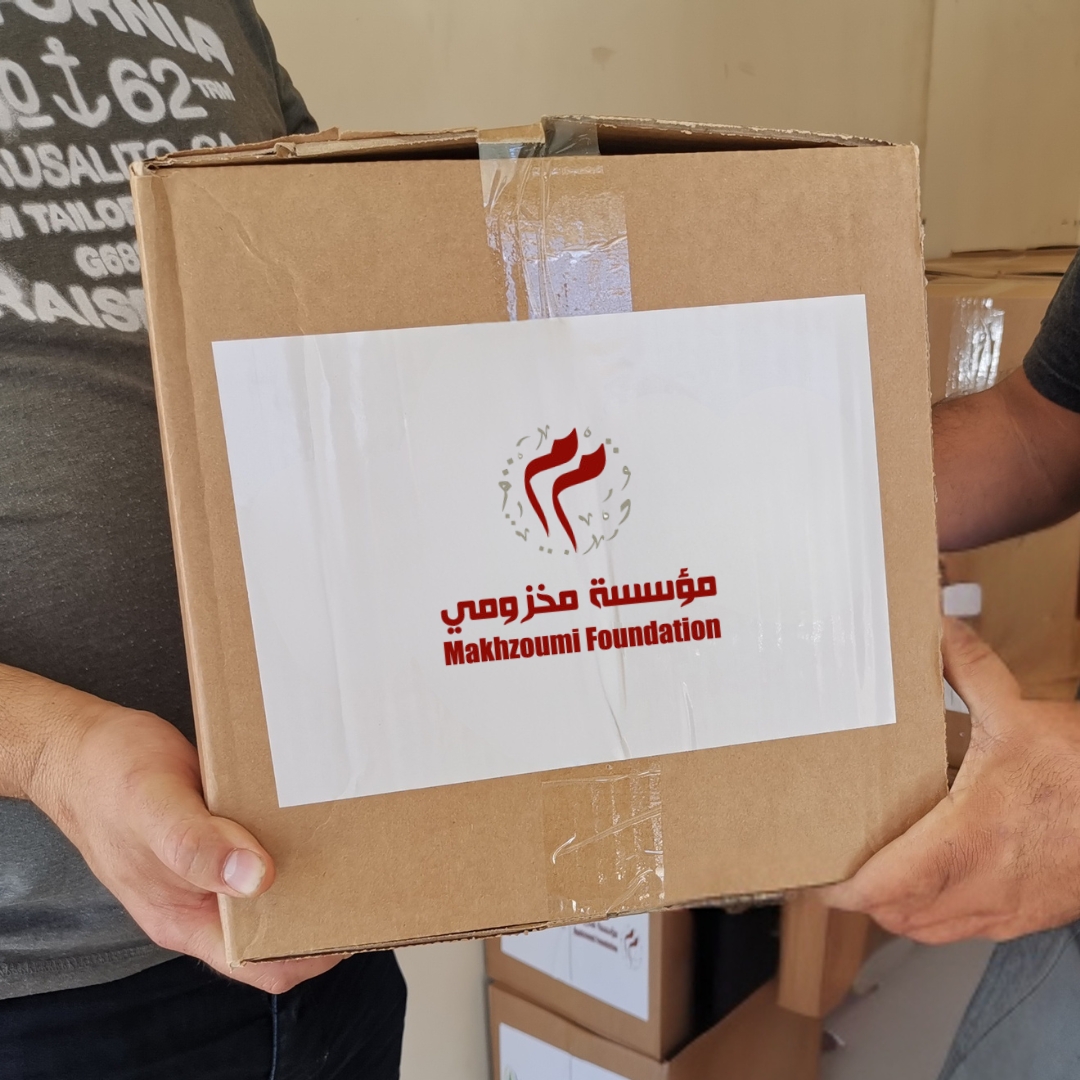
Makhzoumi Foundation provides essential non-food relief items to displaced families to ensure safe, dignified living conditions in shelters. Distributions include mattresses, blankets, sleeping mats, solar lamps, and other basic supplies that help families meet immediate needs during displacement and improve basic shelter conditions.
FOOD SECURITY ASSISTANCE
To address urgent food needs among displaced communities, the Foundation distributes food parcels and food coupons, enabling families to access essential food items and maintain a minimum level of food security during the crisis.
WATER, SANITATION, & HYGIENE
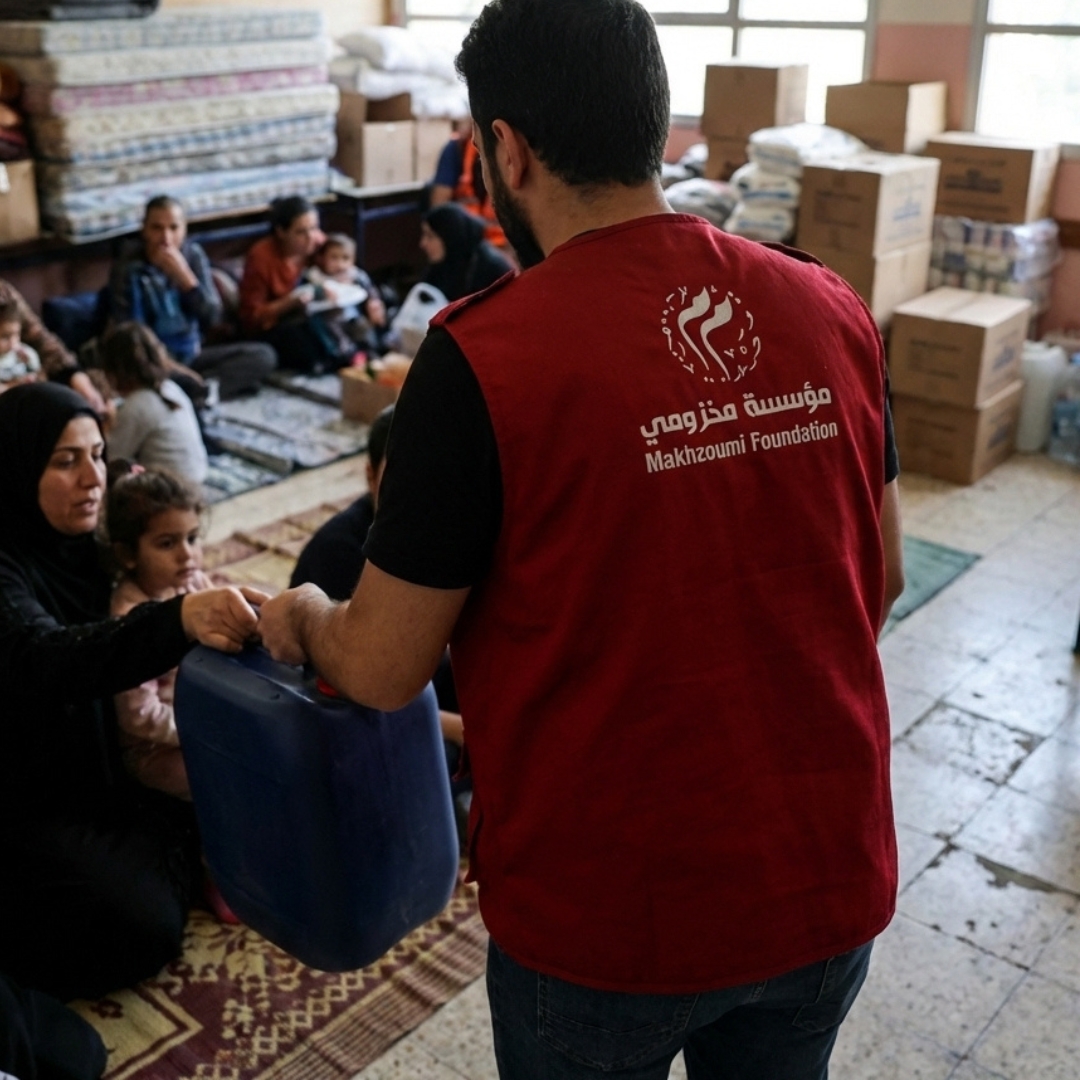
Makhzoumi Foundation supports displaced communities with water and hygiene supplies to prevent health risks in crowded shelters. Assistance includes water jerry cans, hand soap, dishwashing liquid, shampoo, and hygiene materials, helping families maintain basic hygiene and sanitation standards in emergency settings.
HEALTH, DIGNITY, & BASIC CARE
The Foundation prioritizes the dignity and well-being of vulnerable groups by distributing dignity kits, hygiene kits, sanitary pads, baby diapers, and adult diapers, ensuring that women, children, and elderly persons have access to essential personal care items during displacement.
PROTECTION & PSYCHOSOCIAL SUPPORT
Through specialized teams, Makhzoumi Foundation provides psychosocial support (PSS), psychological first aid (PFA), and awareness sessions on gender-based violence (GBV). These services aim to support the mental health and protection needs of displaced populations, particularly women, children, and vulnerable individuals.
CHILD PROTECTION & RECREATIONAL ACTIVITIES
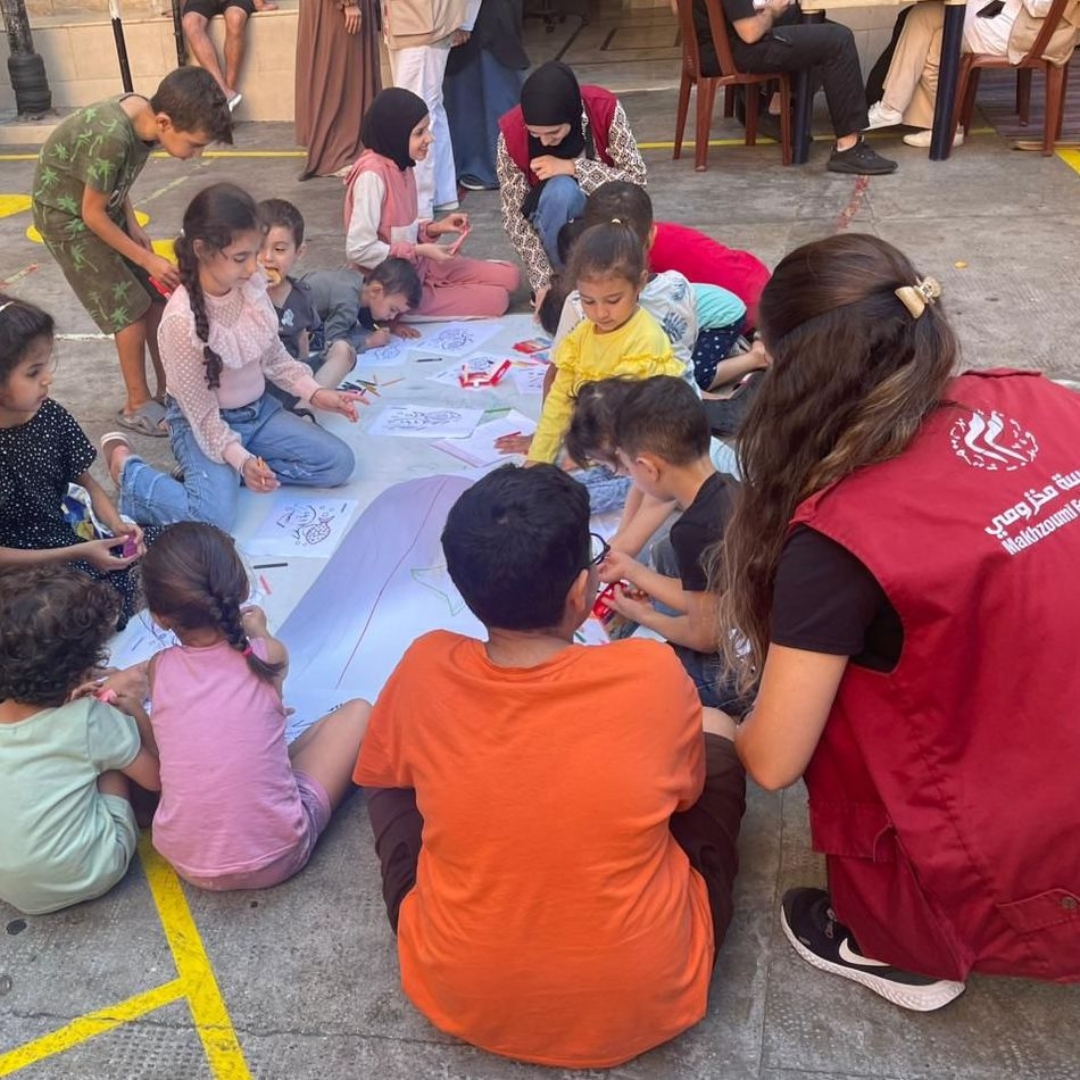
Recognizing the impact of crises on children, the Foundation organizes recreational and psychosocial activities that create safe spaces for children to play, express themselves, and regain a sense of normalcy despite displacement.
PRIMARY HEALTHCARE SATELLITE UNITS (PSUs)
Makhzoumi Foundation’s PSUs extend essential primary healthcare services to underserved and hard-to-reach communities. Operating as decentralized extensions of primary healthcare centers, PSUs provide basic medical consultations, preventive care, health screenings, and referrals to ensure continuity of care for vulnerable populations.